

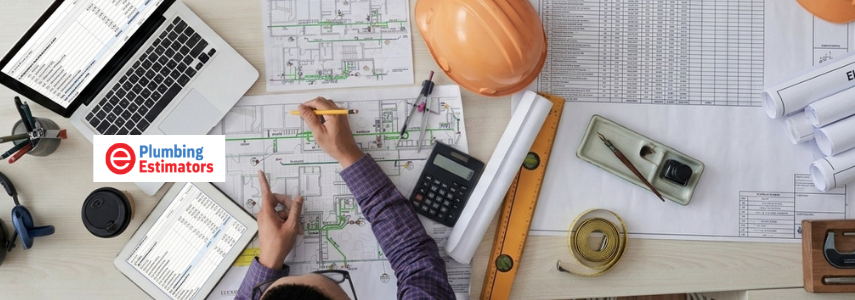
Commercial plumbing projects can involve drawings, specifications, schedules, and project requirements that all affect the work being priced. If these details are not reviewed together, important requirements can be missed before labour and material costs are established.
A project scope review for plumbing estimating brings the available project information into one clear view before pricing begins. Contractors can then identify the plumbing works included in the project, recognise project-specific requirements, and avoid assumptions based on incomplete information.
Why Scope Review Matters Before Plumbing Pricing
Pricing starts with knowing exactly what the project requires.
A scope of review examines the available project information and establishes the plumbing works that require pricing. Estimators check the drawings, specifications, schedules, and other project information to understand the full scope.
A project scope review can identify:
- Plumbing systems included in the project
- Required materials and nominated products
- Installation requirements
- Labour considerations
- Coordination requirements
- Project-specific compliance requirements
- Items that require clarification before pricing
As a result, the estimator can establish labour and material costs against the requirements identified in the project documents.
What a Plumbing Scope Review Should Identify
The scope of review needs to consider the systems and installation requirements relevant to the project.
Plumbing Systems
Depending on the project, this can include:
- Cold water services
- Hot water services
- Sanitary drainage
- Stormwater drainage
- Fixtures and sanitaryware
- Pumps and associated equipment where applicable
Each system can have different materials, installation, and labour requirements. For this reason, estimators need to assess each system against specific project requirements instead of relying on general assumptions.
Installation Requirements
Project documentation can also contain requirements that affect how contractors carry out the plumbing estimates work.
These can include:
- Pipe materials and connection methods
- Installation locations
- Access conditions
- Construction staging
- Coordination with other trades
- Specified installation standards
These details can directly change the labour and material costs included in the estimate.
Project-Specific Requirements
Commercial projects can include requirements that may not appear clearly on the plumbing drawings.
Specifications, schedules, nominated products, builder requirements, and staging information can all change the final scope. Therefore, estimators need to compare these sources and establish the commercial plumbing project requirements before pricing the work.
Common Scope Issues That Can Affect Plumbing Estimates
Scope issues can arise when project documents contain different information or when specific requirements receive limited attention during the review.
Common examples include:
- A fixture schedule that differs from the plumbing drawings
- Different material requirements between drawings and specifications
- Nominated products that require specific pricing
- Plumbing requirements listed in another section of the project documentation
- Installation requirements that affect labour allowances
- Coordination requirements involving other trades
- Scope items that require clarification before pricing
These differences do not necessarily mean the project information contains an error. However, estimators need to identify them, so the estimate reflects the information available at the time of pricing.
How Scope Review Affects Labour and Material Pricing
A scope of review has a direct connection to the costs included in a plumbing estimate.
Labour Requirements
The identified scope can affect labour allowances through:
- Installation complexity
- Access to work areas
- Installation sequencing
- Coordination with other trades
- Project staging
- Site-specific working conditions
For example, an accessible new construction area may require different labour allowances from a project that involves existing services or restricted access.
Material Requirements
Scope review also establishes the materials that require pricing, including:
- Pipework
- Fittings
- Fixtures
- Valves
- Equipment
- Nominated products
- Connection components
Confirming these requirements gives the estimator the information needed to calculate material costs against the documented project scope.
Scope Review and Plumbing Estimating Accuracy
Plumbing estimating accuracy depends on the quality and completeness of the information used during pricing.
When estimators review project information as a complete scope, they can base pricing on documented requirements instead of assumptions. They can then account for the relevant labour, materials, installation requirements, and project conditions.
However, some project details may remain unclear during the estimating stage. When information requires clarification, estimators can identify the issue, record the assumption, and seek the required information before including the item in the final pricing.
A Practical Scope Review Process for Plumbing Contractors
A consistent scope review gives estimators a practical process for checking project requirements before calculating costs.
1. Review the Project Drawings
Identify the plumbing systems, major components, connection points, and installation requirements shown on the issued drawings.
2. Check the Specifications
Review material requirements, nominated products, installation standards, compliance requirements, and other relevant specifications.
3. Review Relevant Schedules
Check out fixture schedules, equipment schedules, and other project schedules against the information shown in the drawings.
4. Compare the Project Information
Determine the labour activities and materials required based on the identified scope and project conditions.
5. Establish Labour and Material Requirements
Look for differences between drawings, specifications, schedules, and other issued information that could affect the plumbing scope.
6. Record Assumptions and Items Requiring Clarification
Separate confirmed requirements from items that remain unclear or require further information before pricing.
This process gives the estimator a clear record of the project information used to develop the costs.
Scope Review Considerations for Commercial Plumbing Contractors
Commercial plumbing contractors need pricing that reflects the actual requirements of the project.
A thorough scope review identifies the work that requires pricing, the materials involved, the labour required, and the project conditions that can affect installation. It also gives contractors a reference point when they review the estimate before submission.
For contractors managing multiple projects and pricing opportunities, a clear scope of review process can keep estimating work consistent across different projects.
Scope Review as Part of Accurate Plumbing Estimating
A plumbing estimate depends on the project information used to develop pricing. Reviewing drawings, specifications, schedules, and project requirements together give estimators a complete view of the work before they calculate labour and material costs.
ePlumbing Estimators prepares commercial plumbing estimates using detailed project reviews, supplier information, labour requirements, and project-specific conditions to develop pricing that reflects the documented scope.
This approach helps contractors:
- Establish the project scope before pricing
- Identify project requirements that affect labour and materials
- Develop estimates from the available project information
- Maintain alignment between project scope and pricing